
Bad Science
Your weed is not as potent as the grower, testing lab, or retailer claims

Cannabis consumers don't get to choose what part of the plant their flower purchase may come from. By definition, consumers will get the average Total Active Cannabinoid (TAC) percentage for a plant or a crop-batch. Some will presumably get portions of the batch with higher TAC than testing indicated, while others will get portions with lower TAC. Few will receive packages that contain the actual TAC found through testing.
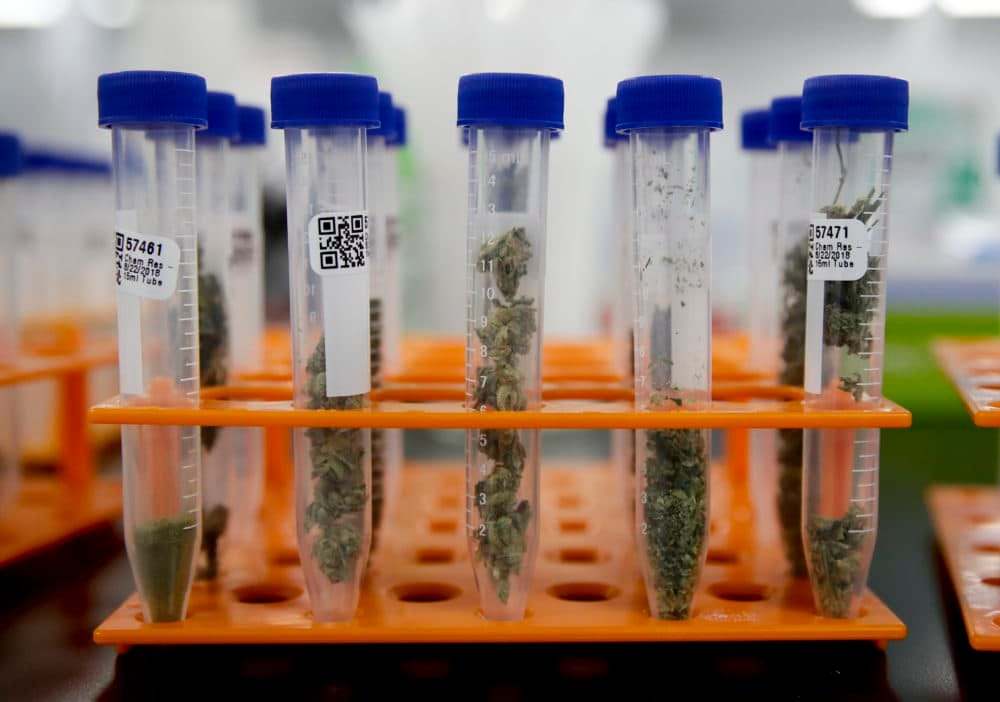
So why offer a definitive TAC% at all? I have a little background in statistics and the reason every scientific survey offers a "margin of error" is because error occurs in every measurement. Error may happen because of sampling bias, or in the process of data collection, or through interpretation of the data. Testing lab salespeople have been known to teach cultivators how to introduce sample bias to the measurement of a crop's TAC%.
TAC is where cultivators, testers, and retailers all share interest in producing the highest numbers possible. In those states where this confluence of interest is not corrected for, we should expect to find inflated TAC, because the topmost concerns of the typical purchaser are product cost and THC percentage.
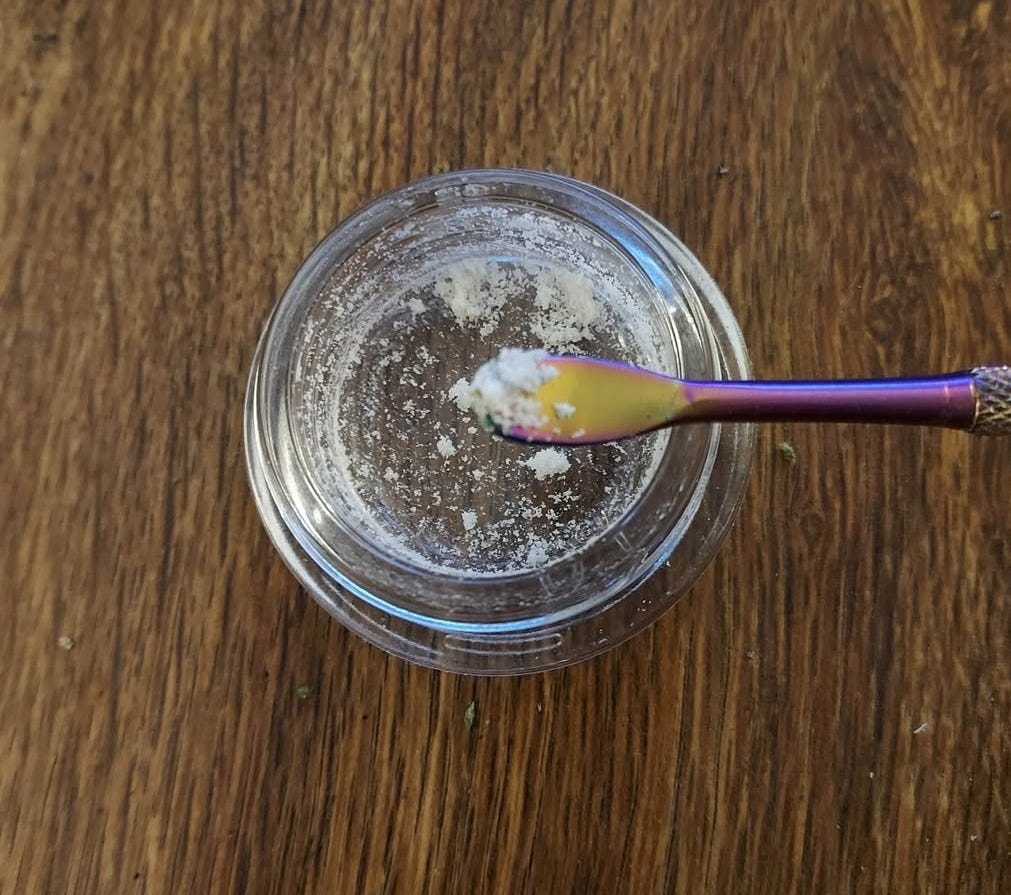
Some states allow scientific malpractice, where the cultivator selects the one sample from the batch to be used to determine labeling. This allows culling the sample from the “top of the crop,” and adulterating it with a sprinkle of keif (or crystallized THC “sand”).
When state law does not adjust for sample moisture, TAC by weight is most easily inflated by desiccating the sample as much as possible. A sliver of the market includes freeze dried cannabis flower with the process replacing traditional drying and curing, and producing TAC’s over 50%, by weight.
Proper sampling would draw randomly from multiple sources in the batch. If batch size requires five grams be sampled (in addition to self-selected sampling, insufficient volume of sampling will skew results) data would be more generalizable if each gram tested was made up of five 0.2 gram samples from the batch. Not all samples will produce the same TAC%. Instead, there will be a range.
Labeling should include, for example, "TAC%: Range = 16.3% - 22.4%; Mean = 18.7%." The same can be done with individual cannabinoid percentages. It's simple and honest labeling that will allow consumers to make better-informed choices.
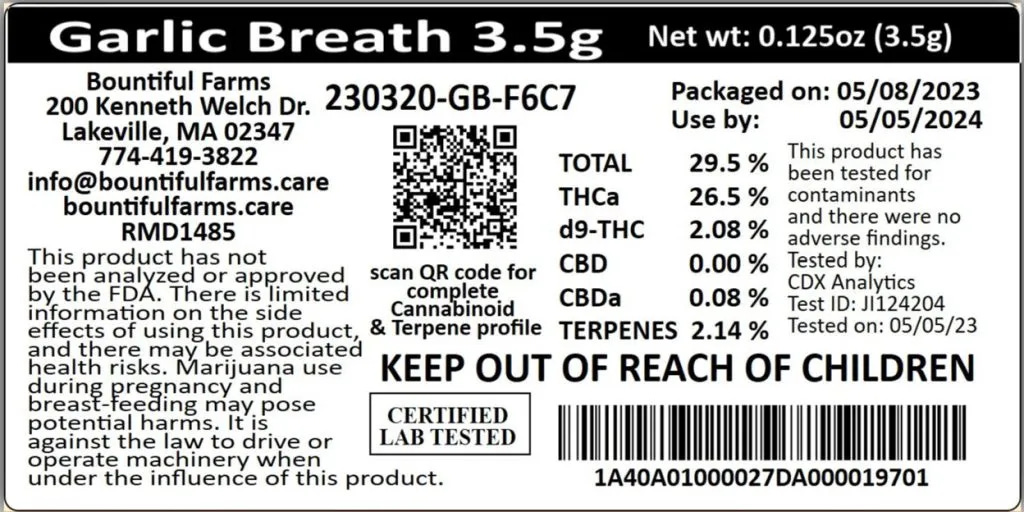
Posting TAC percentages as if every bud in the batch will have the same potency—without processing it like cigarette tobacco, adding raw active ingredients to sub-potent batches of plant material to meet a brand standard—is a falsehood.
Cannabis is a plant, and unlike synthetic pharmaceuticals, there is a lot of variation to be found plant-to-plant, and on the same plant. Static declarations of potency also ignore the Entourage Effect—how cannabis affects users depends on much more than THC content, and anyone with experience should know that.
Unfortunately, many people who have become involved in legal cannabis have done so not because they love cannabis, but because they love money. Those are precisely the people whose products should be held to greatest scrutiny. They, too, believe that more THC in flower equals more effect, and will take measures to convince consumers that their products are the most potent to be found.
Ranges, not one data point, are what should be listed for every organically-sourced cannabis product.