
Commodification and Consumption
From field notes to praxis: An essay on identity formation

I began my field research of the marijuana policy reformers at Jacob Wirth’s, an old Boston restaurant, by finding the Massachusetts Cannabis Reform Coalition’s (MassCann) Clerk Fred Hapgood holding “Office Hours.” Fred had draped a bandana featuring a cannabis leaf design discreetly over the edge of the table, “to attract the curious.”
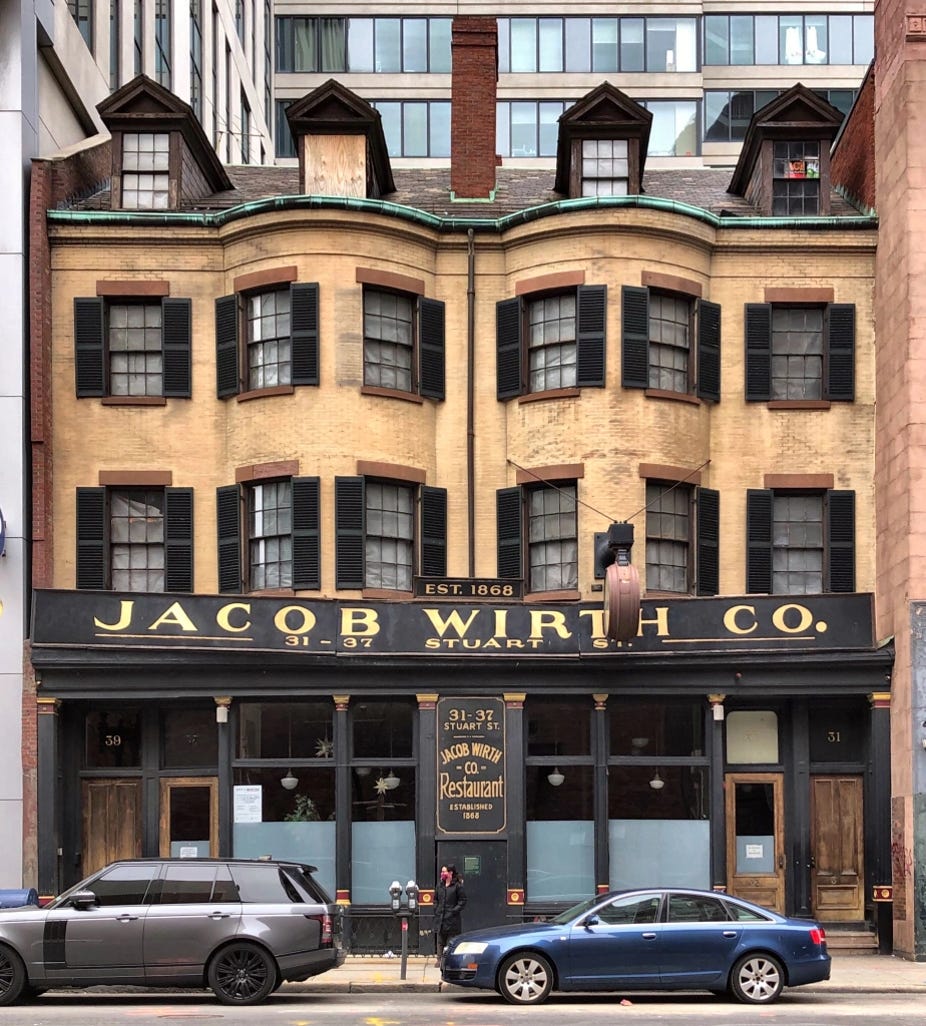
It was Boston in 2000, and the possession of any amount of marijuana was an arrestable offense, but there was considerable leeway, in terms of enforcement. More privilege (the restaurant was an independently-owned business in Boston’s Theater District) meant more freedom, in general.
In our first conversation, on a slushy February evening, Fred shared with me his belief that the Boston Freedom Rally had come to define MassCann’s purpose. That it was just a matter of time before they got “not just a rainy day, but an absolute soaking,” on Rally Day. Fred said he believed that when that happened, it would mean the end of MassCann.
For Boston, mid-September is near the height of hurricane season, and I agreed that a storm like that was likely to happen. As for the effect it might have; that was not (yet) my area of expertise. I had no knowledge at the time about the operation of MassCann or the Freedom Rally, other than the Coalition was a NORML chapter, and the event happened on Boston Common, every September. I had attended the 1996 rally, and smoked on the Common, but along with the high I got hit with the paranoia rational concern of being spotted by one of my students. I was still in the closet, and was teaching at a couple local universities, including the “Drugs” class at Northeastern.
In the decades before and after the turn of the 21st century, college students took the “Drugs and Society” class at Northeastern University as a core curriculum requirement for students in nursing, pharmacy, criminal justice. It was popular among sociology majors and minors. For them and students in other majors, it was an elective and was likely being taken because a drug or drugs were meaningful to the student.
Often, they had an interest in the drugs they were taking or were thinking of taking.
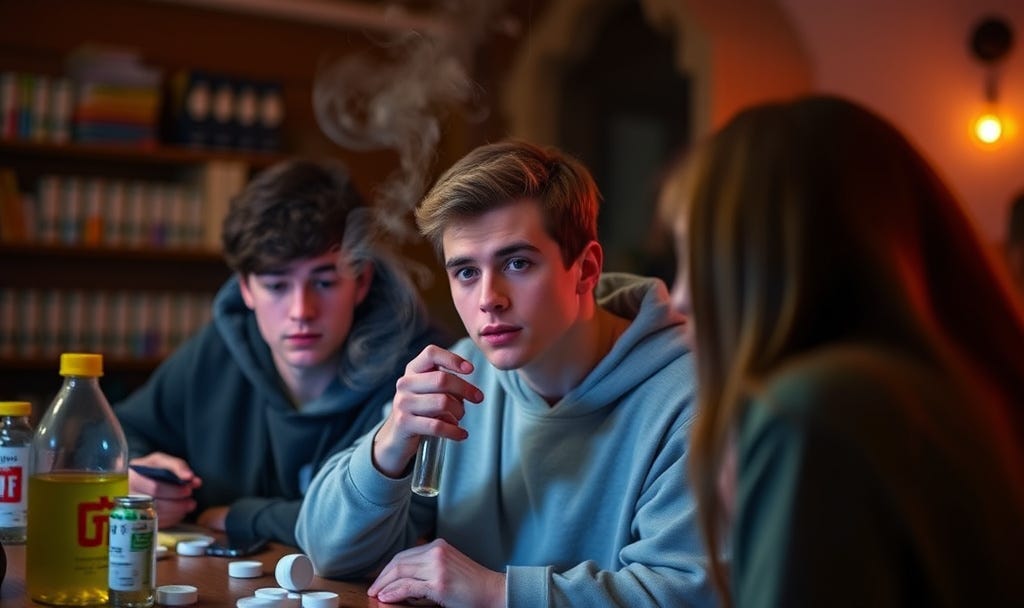
Before we had the internet, a non-prohibitionist perspective was not readily found, even in undergraduate textbooks. Sociology remains the lone critical discipline in the academy, when it comes to understanding drug prohibition. All the others were tied into the enforcement of prohibition or the advancement of a pharmaceuticalized, medical “gaze.”
A critical perspective still did not embolden the sociologists in the Drugs & Society Section of the American Sociological Association to come out of the closet. While I suspect a fair number of them were marijuana users at that time, only three of them ever let on to me that they enjoyed it themselves. It was not from the others’ wish to be sober while engaged in professional activities; the annual cocktail reception for members was a major networking event. It was more likely because they were concerned about repercussions for lawbreaking upon their professional reputation.
The population I had selected to study, marijuana policy reform activists, had a few members whose motivations were grounded in civil or economic libertarian philosophies and who did not, themselves, use marijuana. But these were rare exceptions, and without having been an experienced user myself (and thus sharing interests with my research subjects), my presence among the reformers would not have been accepted as quickly and smoothly as it was.
That community, united through shared enjoyment of marijuana and suffering criminalization for it, has openly and somewhat successfully clawed back criminal prohibitions. This new identity group was not one of race or sex, but more like sexuality—organized around pleasure and desire—and it speaks to new social order, organized around commodification and consumption.
Be sure to check out The Floral Society—new subscribers receive FREE Membership, for a limited time!