
Cultural Crises
Authenticity is a quality of the self in the material world

Wrote this 30 years ago, before I had chosen my dissertation topic. It still clicks.
“Thinking about Authenticity”
Authenticity shares a root with “author,” that is, a writer/creator. That which is “authentic” is self-written in a way. Whether it be by the hand of the crafter working wood, or the mother preparing apple pie; the community theater performing a play, or the sports team earning a win.
In a commodified culture, everything is valued in comparative exchange, and where everything may be purchased with the Universal Equivalent (the dollar—or the Euro, being measured against the dollar). Where the production process is automated (woodworking, pie-baking) the worker is divorced from authenticity, where the performance becomes secondary to the marketing, the consumer is buying an illusion of participation that ends at the end of the film or game (yes, films and games have lives beyond their performance in some instances, but I would argue those are instances of peri-authenticity, where the phenomenon has birthed a “cult” fandom—see The Rocky Horror Picture Show; “Raider Nation”).
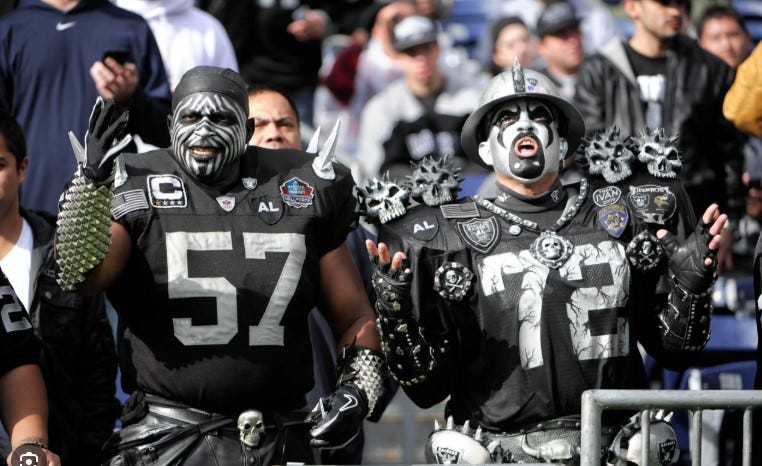
Such that we live in a hyper-individualized, hyper-commodified culture in the (Sub)Urban United States, most people are starved of the authenticity that once came from our everyday lives. We buy, we no longer make, we no longer repair (yes, few of us still do, but you are the exception). We no longer invest ourselves directly in the labors of our own substance and sustenance, as we had to do, prior to the invention of the mode of production that socialized labor, without socializing the value produced by that labor.
We have undergone a Crisis of Authenticity, especially since the end of WWII. Authenticity has been placed on the periphery of “normal,” and much of it regarded as deviant. This was what membership in the illegal marijuana culture and markets in the US are able to convey upon a person. Knowing the taboo is a means of forging authenticity.
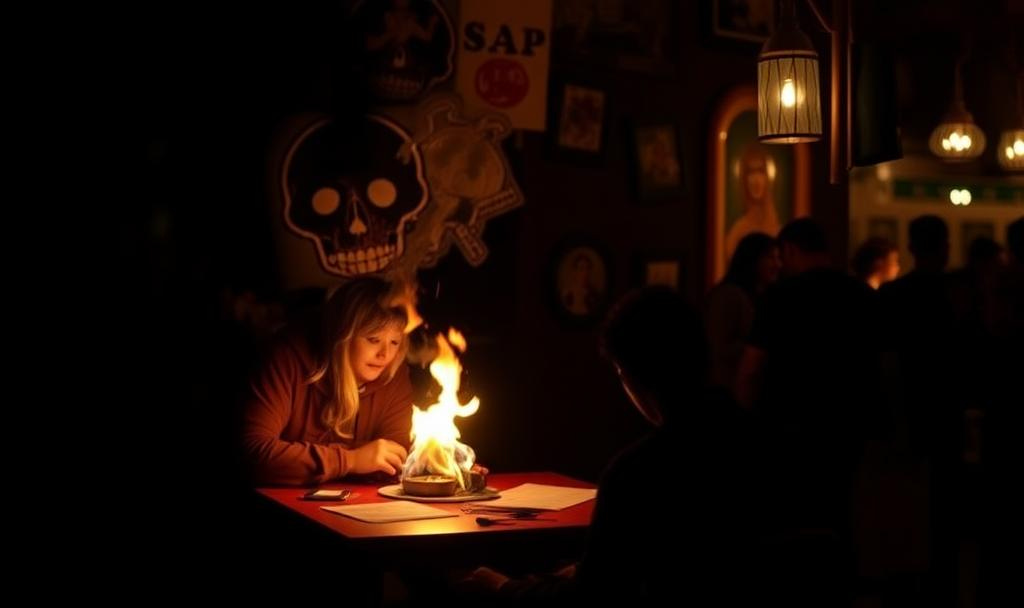
As when any behavior (or thing) is marginalized, some create a patois or lingo to describe within their group, what they value. In the 1950’s, it was the “Cool”. That which was identified as “Cool” held some degree of authenticity that set it apart from other objects or endeavors. This term lives to this day, though its meaning has been much compromised.
More recent terminology has emerged, in response to the mainstreaming of the “cool” into itself, an inauthentic term. This new denominator is “Real”. To “Keep it Real” is to be and remain Authentic. Much like its predecessor, “cool”, should “real” transcend the (Sub)Culture in its conception, it may well be replaced by yet another single-syllable slang denotation of “authentic,” until this crisis may be abated.
n.b.: We never did alleviate our crisis of authenticity from the end of the 20th century. Instead, we have evolved into a crisis of legitimacy that is striking at the roots of the nation-state and Capital.