
Illegal Markets
Fewer people provide demand, so why inefficiently chase supply?

No matter how much she threatens to apply herself and succeed, at heart, the president is a lazy failure. She was lacking focus and stamina her first go-round and nobody’s game improves in their seventies, even among the folks who work at it.
The planned shock and awe of the first week relied on over two hundred executive orders because even with majorities in the House and Senate, the Republican party is too dysfunctional to govern. The parade of newly-confirmed secretaries largely without experience are sure to screw up and overstep protocols.

Pete Hegseth is no doubt having the nuclear codes laser-etched to the bottom of a vodka bottle. Perfectly secure; visible only when emptied, and we all heard him swear he would never touch another drop (until the day he’s fired).
The massive exercise in civil rights violations that is mass deportation is producing spotty, high-profile results, with the president learning her best-laid plans will not work without the cooperation she refuses to engage in. Too busy playing the tough girl to consider what would actually be needed to relocate 10 million people—starting with finding nations and paying them to take deportees.
Silly Don, thinking that we were just throwing money at other nations, and not getting the American Empire in return. She wants the empire, but she doesn’t want to pay for it—like so many contractors and attorneys she’s stiffed. If you want the strategically-located military base, that hegemony costs money—and not just your planes and your barracks and your soldiers—there is a rent collected.
Months ago I noted that the administration is going to get frustrated at the pace of deportations. After Colombia’s refusal to let a U.S. transport plane land, Trump immediately threw a 25% tax on Americans, to teach Colombia a lesson. It took just a few hours to rescind the tariff threat (ostensibly, Colombia backed down, but the adults in the room know Colombia got something for allowing that plane to land).
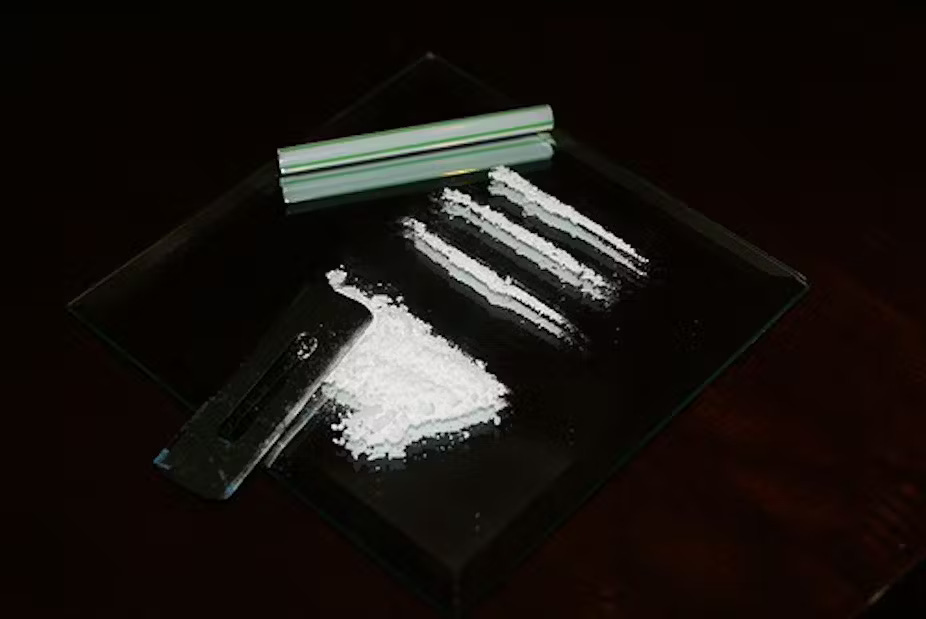
My first thought was that Junior made a call in the interest of keeping the price of his morning stimulant steady, but no one pays a tariff on Colombian cocaine. More likely it was Mr. Starbucks on the line, talking his profit margins and how Juan Valdez will just sell his shit to every other coffee-drinking nation on the planet.

No commodity does push-down/pop-up quite like drugs. And it doesn’t matter if its alcohol, weed, meth, or caffeine—legal or illegal. Crack down on the west side of town and the east buys more.
Which brings us right back to migration. We have a massive illegal labor market in the U.S., and because of it, the corporate agriculture and food processing industries never became structured such that they could operate at prevailing minimum hourly wages.
Our food depends on illegal labor because we never forced the food corporations to fully participate in the regulated market.
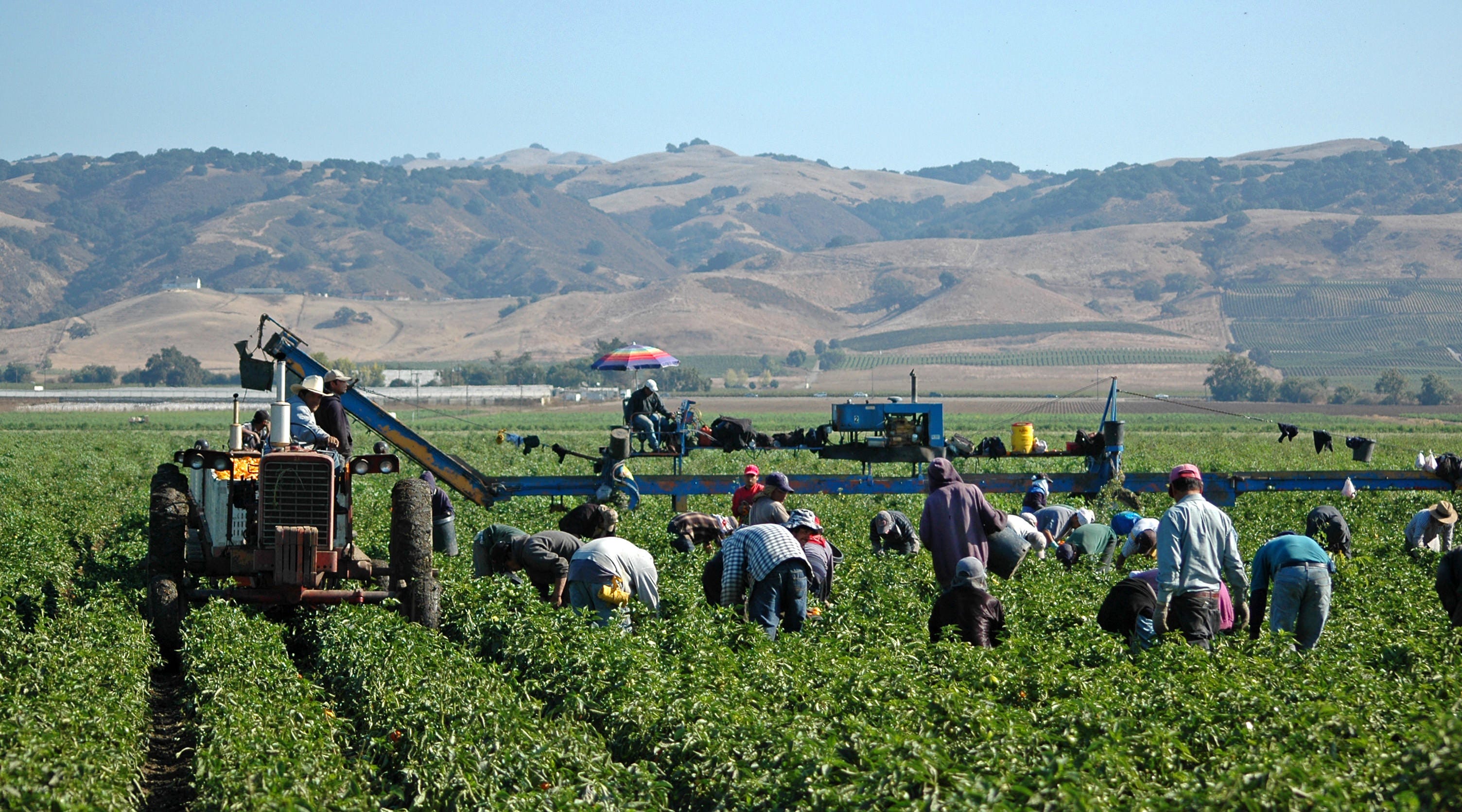
Undocumented immigrants bring cheap labor. And Republican-led industries love it like it was their cure for pain.
Here’s the conundrum: Sub-legal wages produce that sweet, sweet profit, and without it those owners will eventually be coerced to sell their own ability to work to survive. As owners, they know that selling labor-power is a sucker’s game, so they are willing to do anything to keep from having to do it.
The base-level motivation of the public IV drug user and the corporate capitalist CEO are exactly the same—the failure to pursue the fix will result in agony. In the former we are told the habit unleashes a criminal instinct, while the latter is paid huge amounts of cash to share “secrets of their motivation” (My name’s Brian and I was so addicted to profit, I left your children’s afflictions untreated for my shareholders’ enrichment).


What I am suggesting is we adopt a demand-reduction strategy for undocumented labor, like we once did with illegal drugs. If not for the employment opportunities (it is well-known among Central American peasants that U.S. agribusiness wants their labor) there will be less supply. I also suggest that we use the same disincentives we used regarding illegal drugs: Mandatory minimum prison sentences for buyers based on the amount “held.”
We could start at one year per undocumented person employed, up to nine. Employ ten or more and do twenty. And start at the top—the CEO is responsible for the operation of the corporation, and ultimately is the purchaser of criminally-prohibited labor.
Obviously, capital will never be held accountable for its crimes—that’s exactly why we are where we are, right now. Knowing the fundamental motivations of the players involved, we should expect that whatever “remedy” to the undocumented labor that agribusiness (and other industries) is dependent on do nothing to interrupt profit-making. Just like with the empty threat to Colombia.
Lots of photos of small numbers of Latinos surrounded by ICE stormtroopers, and tough talk on the president’s part are all for show. This process will never end—just like the Drug War. Capital needs below-market labor to keep food profitable, and without profit, capitalism is woefully unable to operate. Corporate capitalists know this well, and will lobby vigorously for alternative approaches.
As long as she gets her daily photos of brown people having their civil rights destroyed, she’ll be happy. It doesn’t actually have to do anything. Image matters most. That’s another thing that has not changed from the first time around.


Expect the concentration camps to be built next to fields of fruit and vegetables, or proximate to meat-packing plants. Deportation costs money, but we figured out how to profit from prison labor long ago.