
Policy & Practice
Cannabis legalization and cultural syntheses

It's the same Ruling Class as before, so one has to ask, why did they abandon the social controls established through the criminalization of certain substances and gambling?
The way the internet has facilitated the networking needed for these markets in particular to thrive has surely had an effect. Legalization advocates did not make the first online weed deal, though the legalization movement benefited early on from chat rooms and email capabilities in ways the prohibition industry and state could not match or counter. Add MySpace, Facebook, Twitter, et al., and the cultural elements of the social movement—especially discursive elements—were massively amplified.
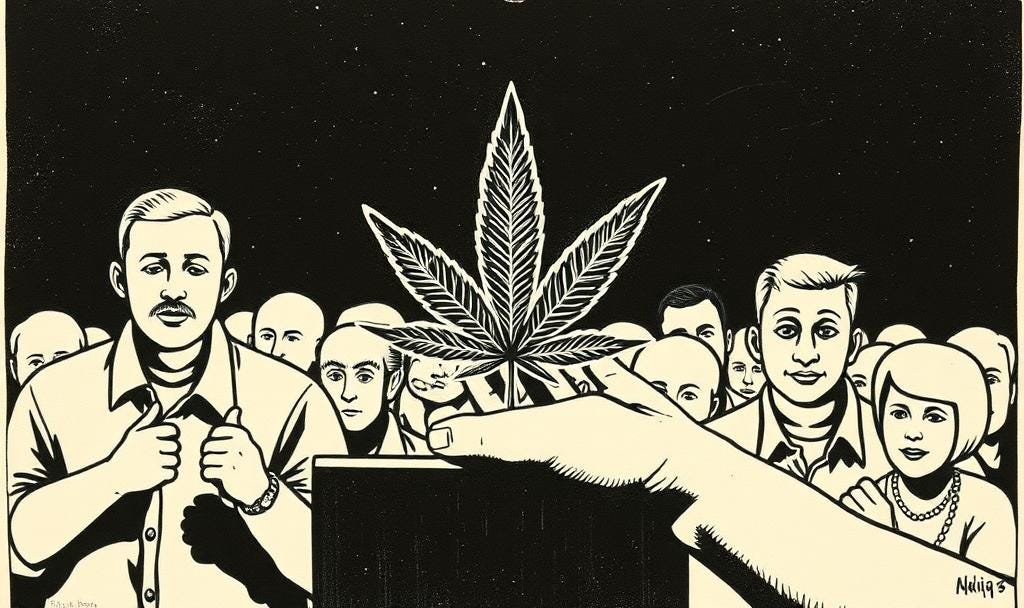
But that doesn't end the criminalization in itself. As we can see from voter initiatives, even when the people favor legalization the inclination of every legislative body is to hyper-regulate it. While prohibition has been framed as a means of controlling drugs in society, all evidence shows the markets that exist under it become laissez-faire. Yet the movement toward legalization is considered a lessening of regulation. In truth, it is the lessening of the severity of state intervention, while ensuring much greater state intervention.
Rather than the old arrest and criminal record—with a nominal fine/tax assigned to those few unfortunate to be caught for simple possession by police—with legalization the state collects tax from all transactions, knows the precise amounts of products being produced, distributed, and sold, requires background checks of all licensees and employees, et cetera. These measures do not, however, grant the same nature of corporal control and discipline as offered via criminalization.
It's worthy of a ponder, because no ruling class surrenders control by its own designs.
NORML's commitment to the marijuana user under prohibition must be extended to the cannabis consumer under legalization, though the cannabis consumer may not be committed to NORML.
Very few marijuana users are of the social status and personality type that would commit their time, resources, and public reputation to forming and leading local NORML chapters, especially under prohibition. Once formed by the vocal, the chapters would collect marijuana users who were less inclined (or disinclined) to public demonstration and other actions against prohibition, but who had monetary resources to contribute. NORML chapters are required to have meetings, which prior to COVID-19 were predominately in-person.
NORML's manifest role is to channel information about marijuana garnered from reliable sources to the media, general public, and elected officials, and to utilize that information in strategic actions designed to move public opinion.
One latent role is serving those who come to NORML seeking refuge, a space where their world-view is recognized and supported, where they can find "affective alliances" forged in the shared enjoyment of using marijuana. NORML has been a peer-support group for the stigmatized.
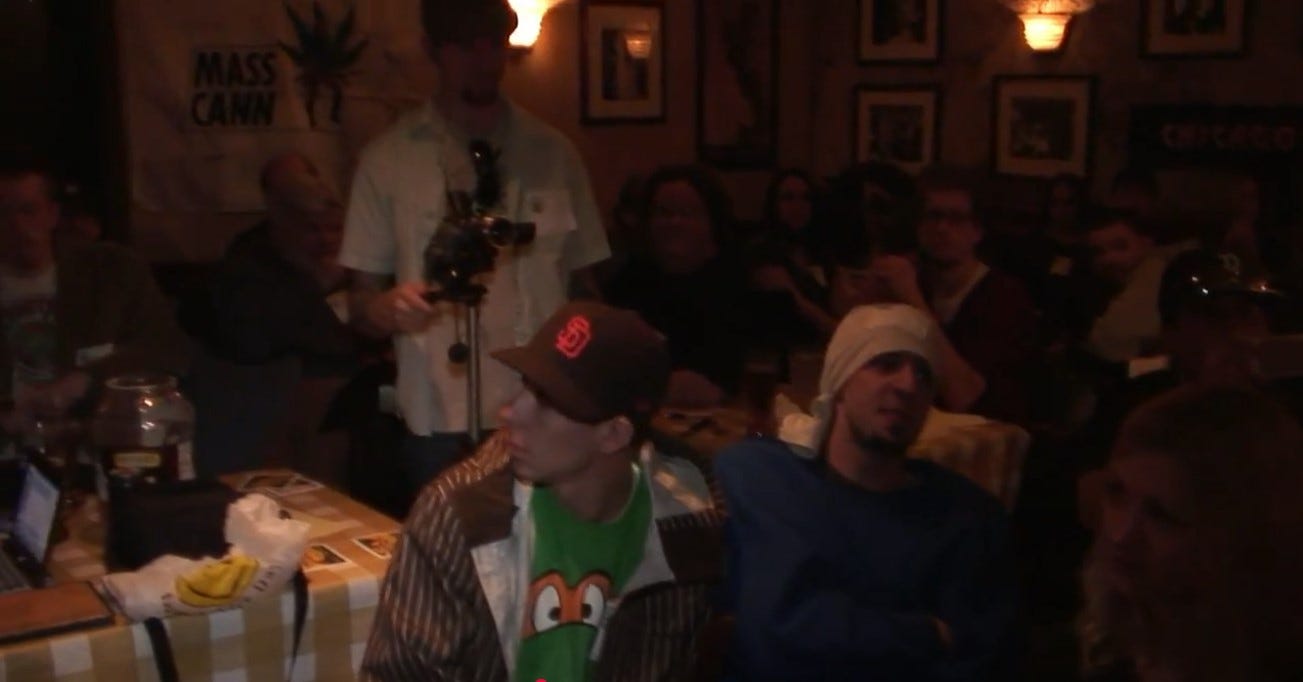
Active NORML members also seem to universally know how to obtain marijuana, even under prohibition. This is also a latent function of the in-person NORML chapter meeting—newcomers attend, seeking weed. Depending on cues and symbols, as well as a potential supplier's level of risk aversion, the newcomer may or may not find it. Regardless of success rate, NORML meetings are used as a resource.
Under legalization, both latent roles diminish to near zero.
#BankruptElon