
Seeing Ghosts
Regulatory capture fits the second amendment, it seems.

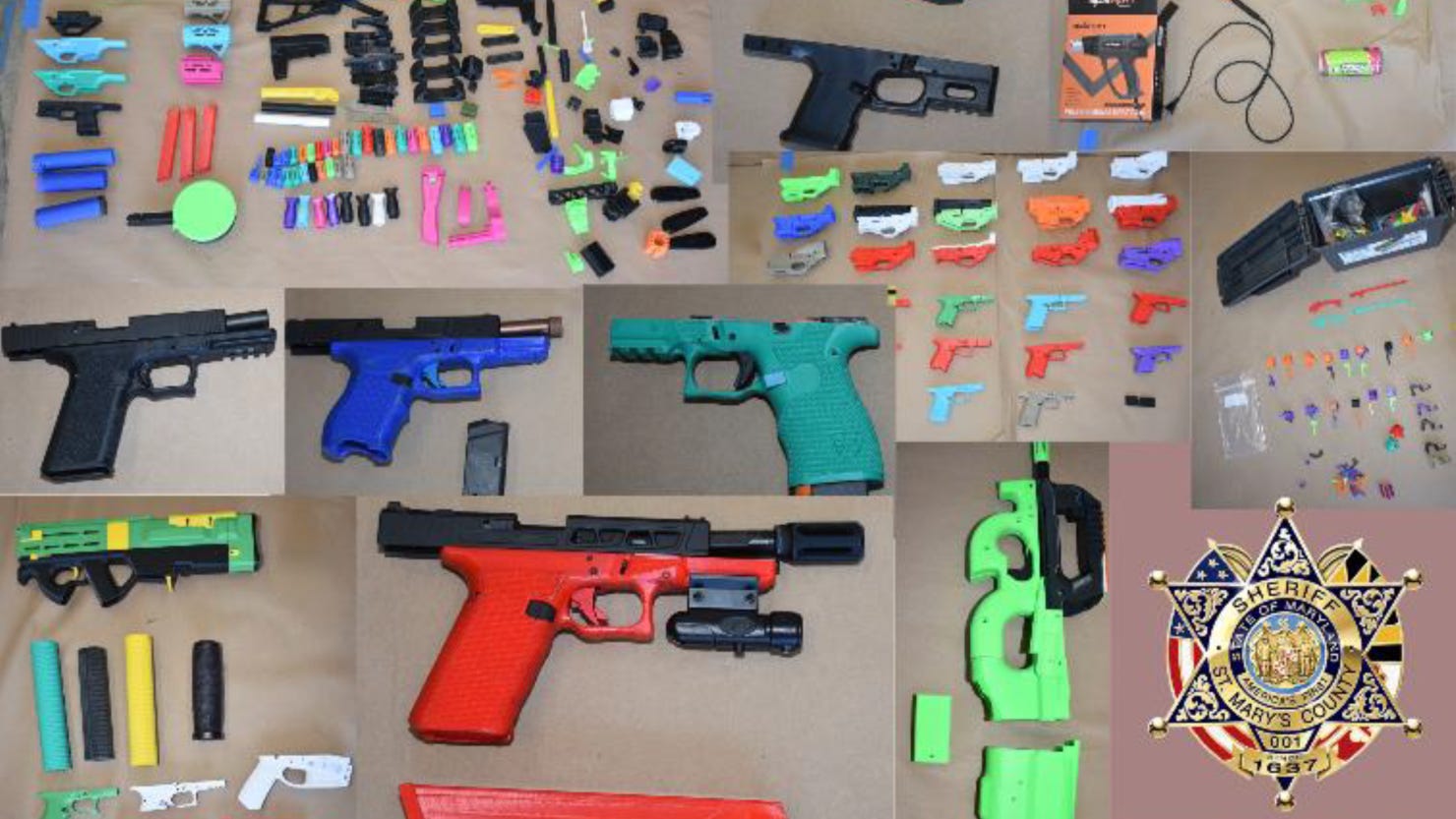
A “ghost gun” is a gun built without a serial number attached to it. Before 3D printing, there were DIY gun kits for sale that resulted in untraceable weapons, but the new technology has resulted in greater volumes than before. Included in the definition are modifications that lack serial numbers, such as the bump stocks whose Trump-era blanket ban was rescinded last year by the Court.
At issue in Bondi v. VanDerStok 86 F. 4th 179, is an ATF ruling that classifies unassembled ghost guns as guns, under the Gun Control Act of 1968. Among the plaintiffs is the Second Amendment Foundation, but not as might be expected, the National Rifle Association. The NRA’s contribution was an amicus brief that centered on “private gun making” and “amateur gun makers” that harkens back to the American Colonies.
The Supreme Court affirmed the Biden-era ghost gun regulations on March 26. The gundamentalists (people whose concept of liberty mandates “self-defense” by firearm) on social media have responded with predictable assertions about the ineffectiveness of regulations. This is a common response on their part whenever a firearms regulation is created or upheld.
Regulate guns? It won’t work. People will just print them anyway.
But if regulation were truly ineffective, what is the sense in such a retort?
Prohibitions have suppressive effects. They also serve to generate all sorts of improvisational responses (fake fur, delta-8 THC, cable TV descramblers), including overt violations. It is difficult to say that prohibitions themselves provoke their own violations, though. There may be traffic in prohibited goods, but the motivations for a person to buy poached ivory, for example, do not stem from the prohibition itself.
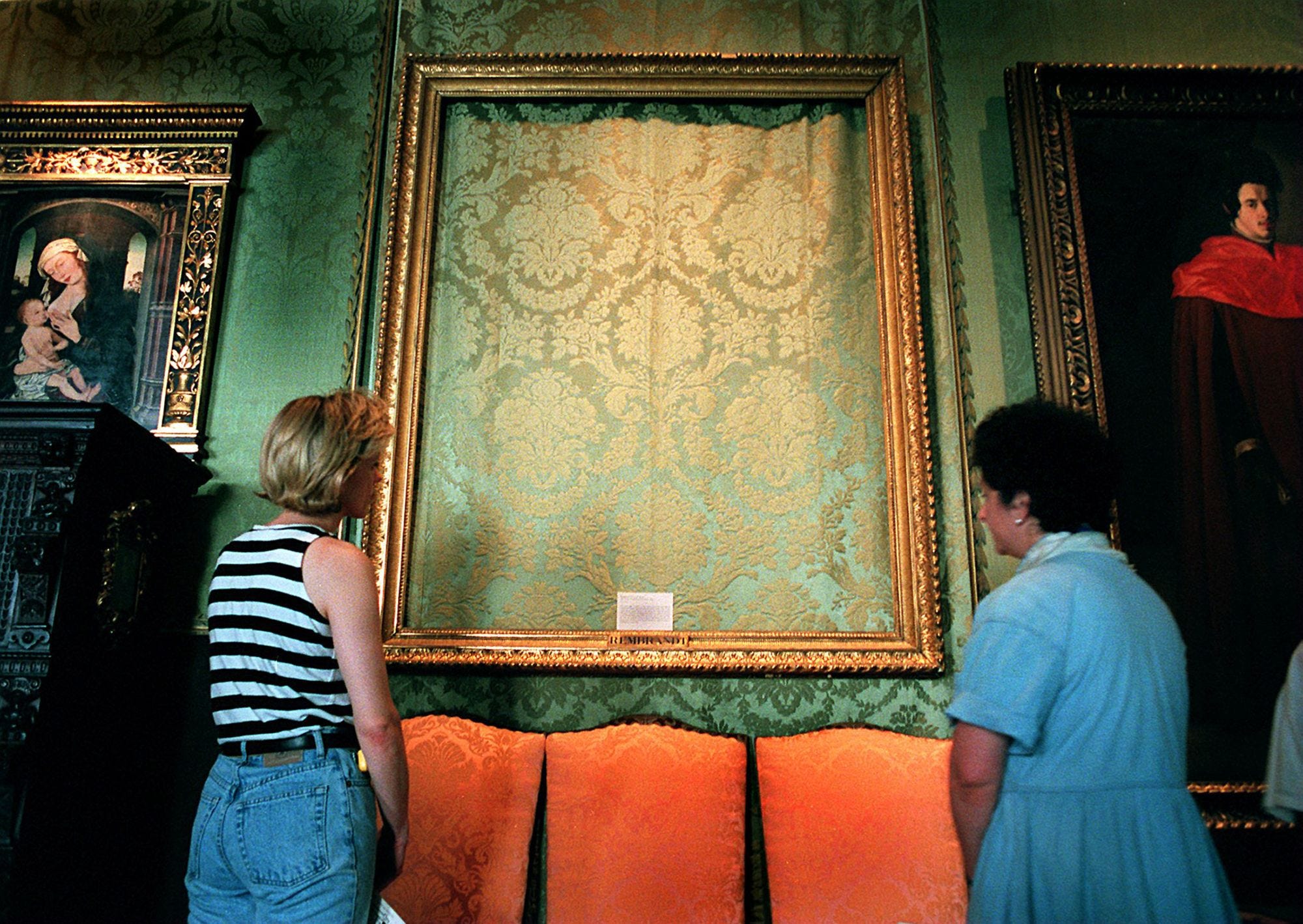
There are art heists where professional thieves capture valued pieces that can never be publicly displayed again, regardless of who might seek to pay enough to make the time and risk involved worthwhile.
When the time came to put up or shut up in the face of American tyranny, there was a lone gunman on a low rooftop in Pennsylvania, who misjudged the wind. Other than that, the second amendment true believers all turned MAGA, it seems.
We need to keep in mind the NRA’s overlap with traditional Republicans, the influences they may have over a Republican-appointed Supreme Court majority, and the outcome of this case. It was 7-2 with the most openly-bought Justices, Thomas and Alito, dissenting.
Why would a Court that ruled Trump’s bump stock ban was unconstitutional allow Biden’s ATF ban on unregistered ghost guns?
If we understand the NRA to stand purely on its past framing of the second amendment as the most important of all (according to their logic, #2 secures all other amendments) and that the second clause of the amendment matters more than the first—as the Court seemed to favor in Bruen—then the NRA would be expected to issue a stern rebuke of this horrible infringement on the natural right to keep and bear arms.
It did not, and it will not. Their objection was to the implied prohibition on private, amateur gunmaking that stems from a ban on commercial sales of unmarked gun parts.
The NRA’s motivation is to represent firearms manufacturers and retailers’ interests. Despite a public membership claimed to be in the millions, the Association’s actions over the past forty years have always been in response to the question: How do we sell more guns?
The trick was to turn the absolute worst possible outcomes of mass ownership of killing machines into motivations for the public to buy more of them.
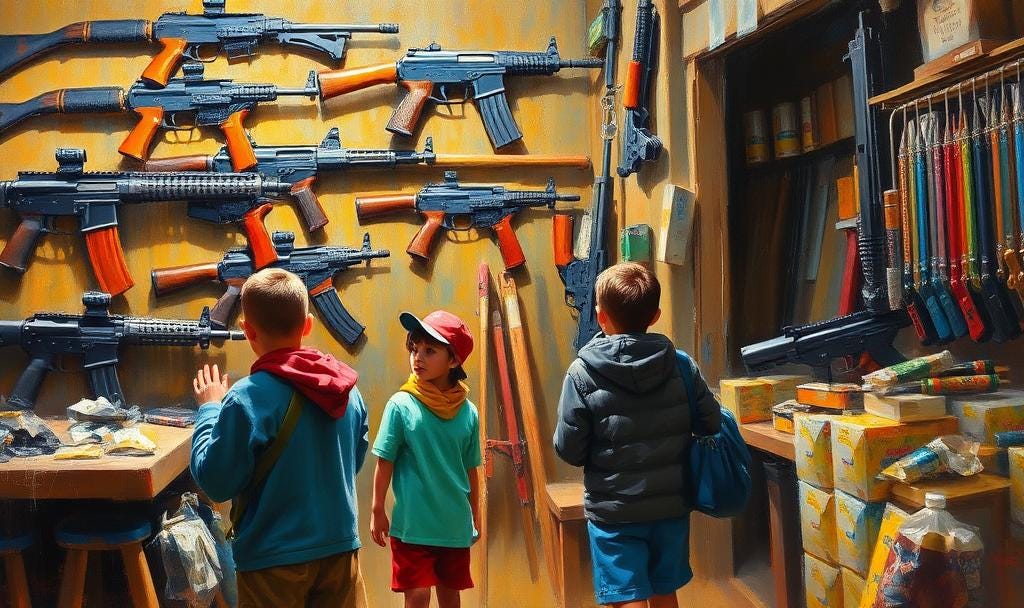
And what were the worst possible outcomes, to the industry?
#1. People would strongly object to mass shootings, especially of kids in school;
#2. Their objections would result in more restrictions and declining sales.
The counter-strategy was to portray mass shootings as the price of living in a free society and sell the need for more guns as the solution. Shootings in schools? Never mind an armed cop inside the doorway—arm the teachers, administrators, and janitors. There are over 97,000 public school buildings in the U.S. and at 5 guns a building, that’s almost 10% additional demand!
U.S. gun manufacturers produce more than 5,000,000 new guns a year. Somebody has to buy them, otherwise no profit can be realized. The Second Amendment Foundation can stand on principle alone, but the NRA has more practical concerns.
The regulation of ghost guns is acceptable because they are not counted among the five million-plus new guns a year, and to manufacturers’ profits, anarchic de-regulation is as much a threat as “over-”regulation.
It’s the same reasoning behind portions of the licensed California cannabis industry sponsoring flyovers of the Emerald Triangle, in hopes of inducing state authorities to raid the grow operations they spot. The regulated firearms industry wants regulations that favor their sales. And in Bondi v. VanDerStok, they got it.