
'Tis of Thee
Why don't you just go ahead and turn off the sun 'Cause we'll never live long enough To undo everything they've done to you.

They caught the last poor man
On a poor man's vacation
They cuffed him and confiscated his stuff
They dragged his black ass down to the station
And said "okay the streets are safe now
All your pretty white children can come out and see Spot run"
And they came out of their houses
And they looked around
But they didn't see no one.Ani DiFranco (1999) “‘Tis of Thee”
Social theory is concerned with explaining and defining social phenomena, while social research methods are concerned with the how we are to measure that which we have theorized into existence.
Not “theorized into existence” in the sense that one might theorize the 2020 Presidential election results were unfairly fixed for Joe Biden to win, so to draw an angry mob to storm Congress.
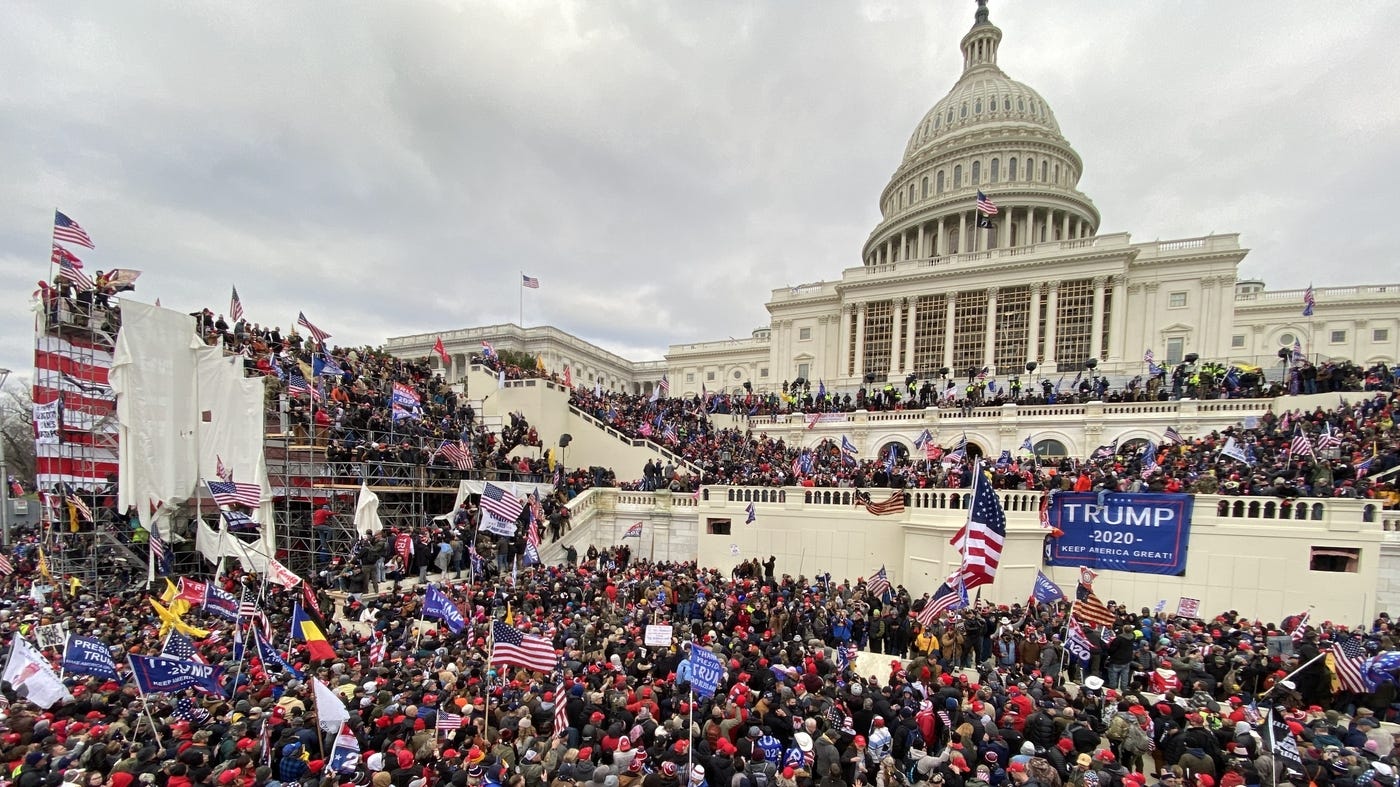
I mean when a social phenomenon is made an empirically-measurable entity: Jobs, for example.
Before we can count the number of jobs, we first have to decide what a job is: How is it created as a thing? What does it consist of?
About a decade ago, some people took a liking to calling themselves “job creators,” which shows an unspoken perspective. Jobs are of a moral quality that one might want to be credited for having created them. This implies that a person (or their institution) has the ability to make jobs, which have a material and a moral element to them.
What does this thing consist of? It appears as a social relationship, where people coordinate with others to dedicate portions of time producing goods and services, and for which they expect to receive money (needed for housing, among other necessities) in return. We can then examine the relations of production, the mode of production, the workplace setting, the amount of time spent at a job, and how this set of activities make individual and social life possible.
It appears that jobs are an important feature of American society, as the most recent Presidential election included claims and counter-claims about the incumbent’s “jobs record,” that social research had shown grow in numbers through most of his presidency. While some contested the veracity of the count, others noted much of what was being counted did not match what was expected of the social relationship called a “job.”
They did not dispute the rising number of working opportunities tied into Social Security accounts (one measure of a job is whether taxes may be collected on labor sold); they noted that the low-skill, low-pay, low-security “McJob” of the 1980’s had evolved into “gig work” through phone apps such as Uber or Door Dash. While a person may earn taxable income through such work, the employers sell these as supplemental income (“hustle”) opportunities. By framing the work as a side-gig, employers keep employee expectations low.
There is always a lag between data collection and reporting. Those living in the dataset will “know” what is happening, before it is reported. We know there are fewer jobs available today than there were three months ago, because we can see it in peripheral indicators: The number of social media contacts who announce they have been laid off, or otherwise are looking for work; the shrinking number of legitimate employment advertisements among the AI slop-ad postings; and recently-unoccupied storefronts in our hometowns (or those that have been without tenants since COVID-19)—all of these are noticeable on a local and personal level. The government-collected data would show whether this is a local, a scattered, or a nationwide condition.
So when the Department of Labor released adjusted national jobs numbers from the second quarter that look quite bad, even with the cover of gig-work, Trump rejected the science, fired the bearer of bad news, and replaced her with a loyalist so loyal he was on the steps of the Capitol on January 6.

Oh, and he’s also part of the Heritage Foundation—the folks behind the dismantling of the American nation-state through their guidebook, Project 2025.
The destruction of state support institutions is part of the plan, and has been for a slice of American elite since the late 1960’s. They have a Supreme Court willing to amend the constitution from the bench (according to the document, the President has to be capable of committing crimes), a controlling segment of the political cartel that remembers when Trump turned the mob on them and who still fear him, and an “opposition party” that decided not to bring swift and decisive justice to insurrection leadership, when they had the chance.
The first things the second Trump administration set out to do was cut anything that supported people, and the more support a category of citizen might require, the higher the priority of those cuts. [n.b. The priority cuts for DOGE were in those agencies that regulated Elon Musk’s principal holdings].
Authoritarians have no use for history, other than to feed present-day grievances. Authoritarianism is ideologically-driven, not materially-driven. That is why Trump takes steps that will tank the economy—they are designed to increase his disciplinary powers by laying blame for a bad economy on the Enemy Within. Facts become illegitimate, science is dangerous, and there is no truth other than what the Overlord decrees to be true.
Those who hold a critical, materialist perspective on social life—who can apply a political economy grounded in history—will think to ask: Why did the United States as a nation-state create a complex of institutions that supported workers, in the 1930’s? Weren’t there dedicated capitalists who had witnessed the Roaring ‘20’s? Why would they abandon their free market philosophies to the degree that they would create a literal state socialist retirement program, outside the capitalist marketplace? Did they suddenly get infiltrated by Bolsheviks? No.
Setting a minimum wage, allowing (encouraging) labor to organize, making the state the employer and purchaser of last resort, creating market support programs for farmers and various industries — none of these things just happened. They were all created for a good reason. When capitalism failed in the 1930’s, only the nation-state was able to reinstate that economic form. And in every major economic crisis since the 1930’s, the American nation-state has bailed out Capital directly, but has offered little or nothing to the People.
Left unsupported, capitalism will fail again. We see that Capital itself has recently been willing to make a deal with the devil; that’s how hard up they have been. They are eating all sorts of Trump’s shit: From him strong-arming tribute from corporations and billionaires, to cockamamie tariffs that have caused their profit margins to shrink, to decimating their workforces with deportations that threaten swaths of industry, to military occupations that are sure to stymie local businesses and drive tourists away. The National Guard is on the streets of DC right now, helping the FBI sweep unhoused people from the streets and relocate them to a gulag in El Salvador.

No? How would you know what is happening to them? That’s the strategy behind disappearing people—and not collecting social data.
The old dogs they got a new trick:
It's called criminalize the symptoms
while you spread the disease.Ani DiFranco “‘Tis of Thee.”