
Unscheduled Programming
Yes, corporate media are as imperceptive as they seem

The corporate media lack memory.
As with so much under a capitalist mode of production, their focus is largely on the future, far more so than the past. The buyer-consumer is proffered an image of herself made better for the purchase of the product—”publicity,” as John Berger called it, only works when focusing on the future.
The framing of social events in media narratives, therefore, will “fit” a consumerist epistemology, and be inclined to treat each historical occurrence as independent. Similar to how each advertisement for a product stands independent of all previous advertisements.
The longest-running shows on broadcast television are commercials produced by the corporations that could afford to sponsor television shows in their earliest years—producers of nationwide household goods, appliances, automobiles, and foodstuffs.


They create new “shows” with every new campaign, year after year. The versions from close to seventy years later:


The actual purpose of broadcast television was omitted from the listings in TV Guide. The daily prime time show grid never mentioned the commercials, though they were scheduled just as precisely as the between-sponsorship entertainment. In the early 1990’s we observe TV culture ascending (descending?) into metanarrative, with the production of a show whose content was made up of reruns of commercials.
It comes as no surprise that the topic of “Constitutional Crisis” was brought up recently by Katie Couric and other admirals of the broadcast network fleet. However, they are reluctant to place such a label on what has happened since Inauguration Day, 2025.
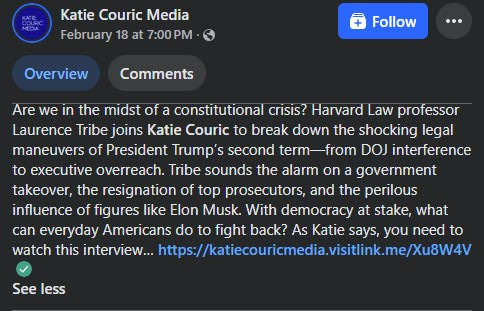
Asking, “Are we in the midst of a constitutional crisis?”
We’ve been in constitutional crisis since January 6, 2021, when the peaceful transfer of power was interrupted by the president pushing election lies and calling an angry mob to DC to interfere with counting electoral votes, in a last-ditch attempt to illegally retain the office.
The Republican Senators’ refusal to convict on the impeachment stemming from these high crimes indicated a partisan corruption would exacerbate the crisis, going forward. The Biden administration’s choice to pretend everything was “normal” and not to do anything of substance until pressured by Congress years later proved to be exactly the delay in justice the coup’s leadership needed.
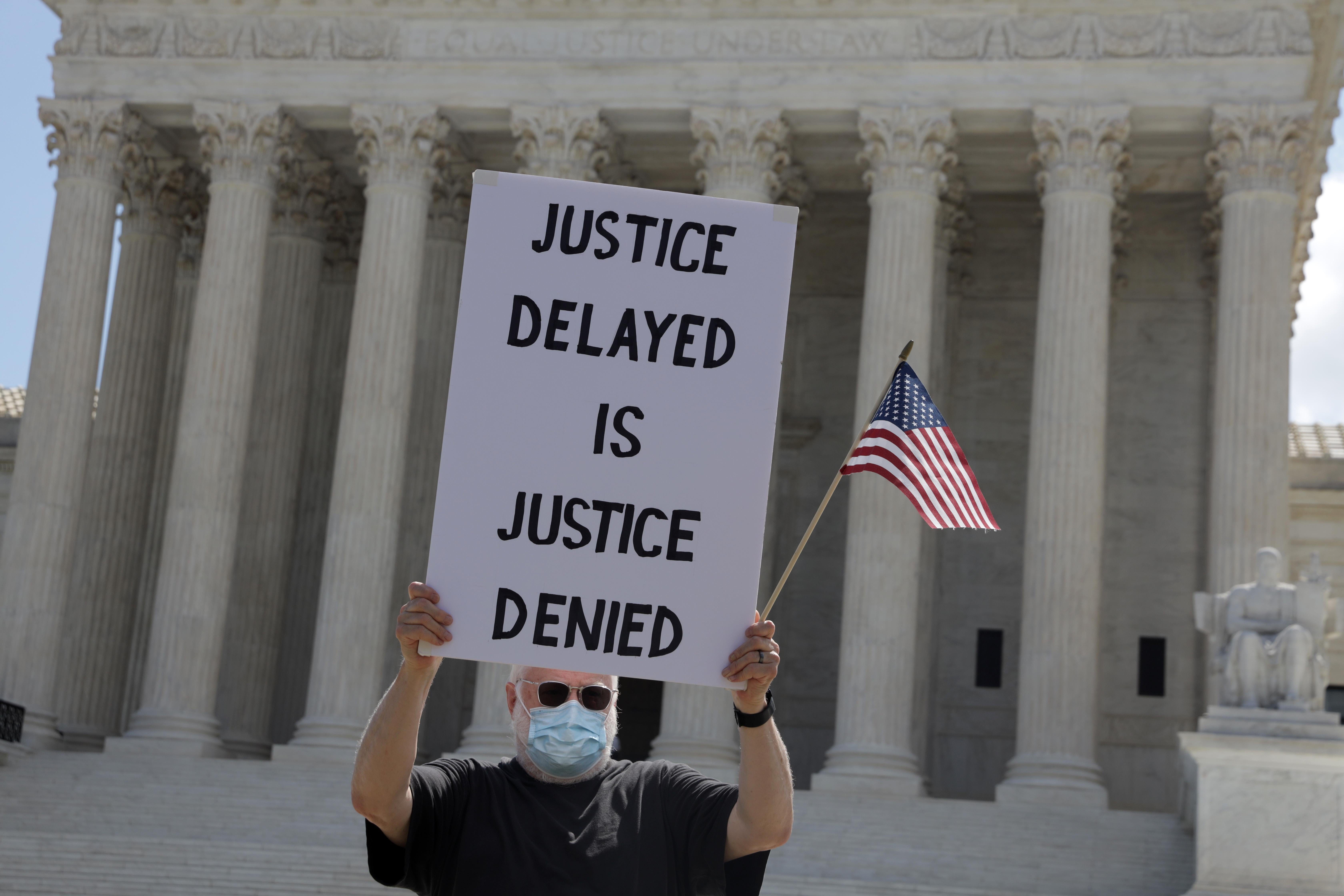
Not only are we in constitutional crisis, but both parties have been participating in it.
Corporate media also bought the dissemination (see what I did there?) of the Jeffrey Epstein files, though the Trump administration chose to release them in what resembled a leak, in that information was passed to unconventional propagandists. A clutch of proto-Fascists, other right wing bloggers, and TikTok notables were handed hard copies of something.
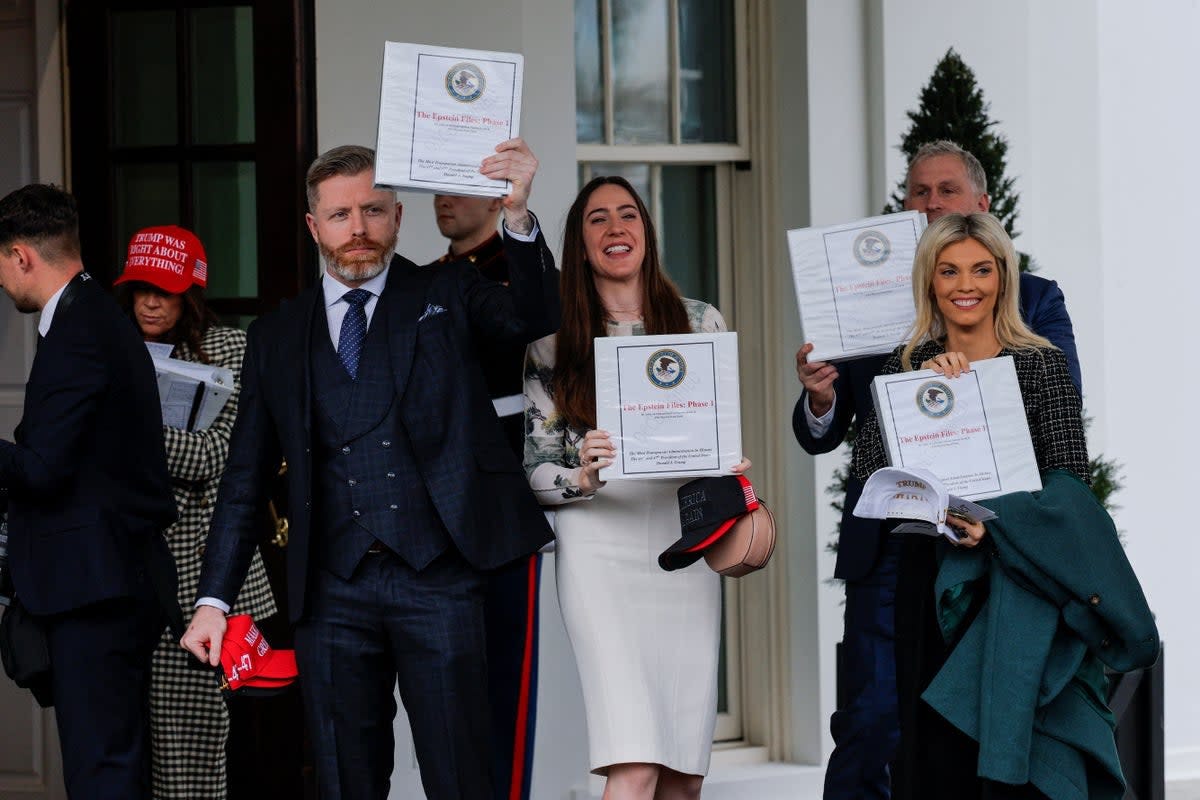
It turned out to be exactly the same flight logs from the Lolita Express that were released years ago. They show Trump on the same seven flights.

The re-release-as-if-new has proven to be a bit of a miscalculation. Those included in the exclusive photo op came to understand—even if they were too busy with learning Algebra when the logs were originally released—this was old news. They and their viewer/listener/readers want more. The promise to release the Epstein files will turn out like Trump’s promise to release tax returns: next month, after the election, not in your lifetime.
Which brings us to the WWE-style, double-team takedown of Vladimir Zelenskyy that was performed for an audience of one.
Corporate media took the display as some type of revelation that Trump’s foreign policy comes from Putin. Perhaps they mistook Hillary Clinton calling Trump “Putin’s Puppet” in 2016 as just some off-the-cuff, alliterative name-calling. Maybe they missed the literal, physical shoving-around of NATO members in 2017. Maybe they missed Paul Manafort’s conviction for lying about his assistance to another one of Putin’s puppets. Perhaps Trump’s bullshit line last week about Ukraine starting the whole clusterfuck wasn’t a joke.
Zelensky knew it, too, which is why he diplomatically phrased his accusation in the future tense.
Zelensky: “[There are] a lot of questions. Let's start from the beginning. First of all, during the war, everybody has problems, even you, but you have a nice ocean [in between], and don't feel it now, but you will feel it in the future. God bless you.”
Trump: “Don't tell us what we're going to feel. We're trying to solve a problem. Don't tell us what we're going to feel… because you're in no position to dictate that. Remember this, you're in no position to dictate what we're going to feel. We're going to feel good. We're gonna feel very good and very strong.”
Zelensky: “You will feel the influence. I’m telling you now you will feel the influence.”
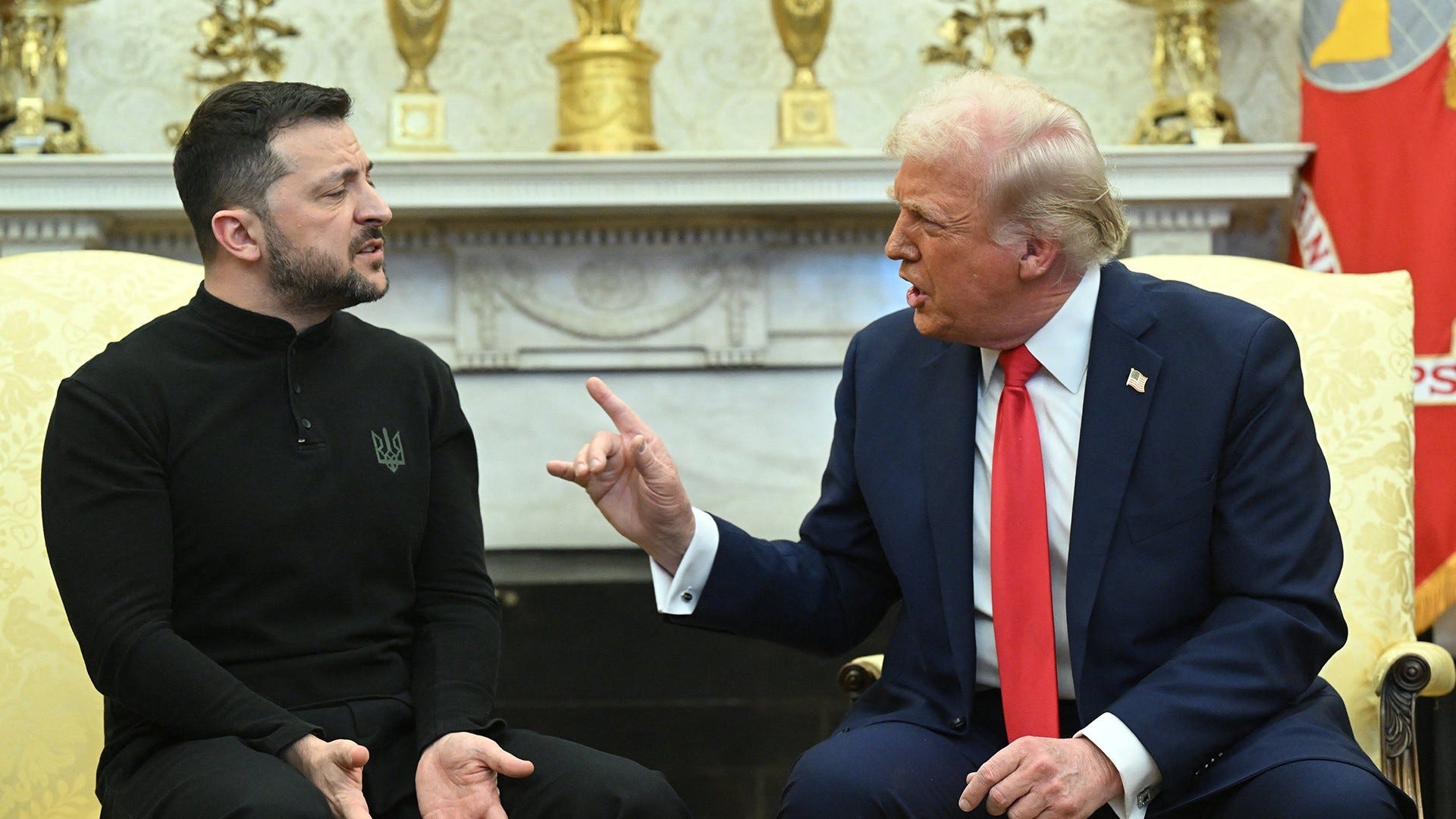
But the question has to be asked: WHY? Why bother with the show? Everything that was said in front of the cameras had a purpose. They could have simply berated him like a junior high bully and his sidekick in private. Why did Trump see the need to make a public scene about Ukraine that is entirely in keeping with everything else he’s said? What changed?

Putin was not pleased.
Trump was not going to negotiate a peace deal and get nothing out of it. Putin was not going to accept any deal that failed to give him those minerals. The world got to see who “holds the cards” when Trump and Zelensky meet; it is Big Daddy Vladdy. The ocean might keep America safe from Russian tanks and bombers, but it clearly offers Trump no such protections.
There needed to be a clear demonstration that no backroom deal was going to come of the talks. Putin sent a message:
У меня есть запись мочи, делай, как я говорю.
Or something similar, and Trump JUMPED.
To the corporate media, however, that meeting was some odd occurrence that no one expected and no one can understand, other than it being the first sign that Trump might be on Russia’s side in this matter.
#BankruptElon