
What Are The Chances?
Kevin Sabet wants to scare the hell out of you

An essential expression of sociality is identifying danger and warning others. There is an element of self-preservation in doing so, as we have always depended on others for our own survival. By helping you stay safe, I help us both stay safe.
We understand, as well, that not all danger is alike. There are acute dangers that exist in the moment, but that can be expected to abate or disappear, like icy roads. There are persistent dangers that may rise and fall in frequency, like flooding. There are those that may lay dormant for a lifetime, only to erupt like Vesuvius, or that may increase in likelihood over time, like developing cancer from the ingestion of carcinogens.
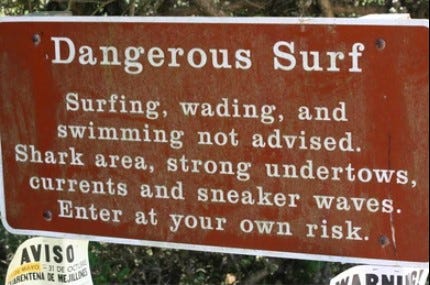
All the aforementioned cases are material threats that exist in social settings. Indeed, without society, there can be no “natural disaster.” Disaster is a measure of social destruction. Hurricanes cost nothing, until they affect shipping or hit settled land.
But there is socially-constructed risk, as well, that amplifies (or minimizes) the material threat—such as how Americans treat many drugs. Or that concocts a threat as a social fact, such as the belief, “Gay marriage threatens the family as God intended.” Marriage is a social fact, as is God. Neither exist, unless people believe they do.
Socially-constructed risk never matches probabilistic risk. As a default, it is safer in general to exaggerate probability and severity of expected outcomes. Having a greater risk would seem to provoke greater motivation to avoid; and avoiding risk altogether increases the likelihood of collective survival.
On the other hand, there is a trove of evidence to show us that cultures will also minimize or ignore the probability of bad outcomes, regarding particular, valued practices. Take tobacco smoking, for example. Regardless of late 20th century tobacco industry lies, people well-knew smoking was bad for health, for centuries before the 1964 U.S. Surgeon General’s report. The report merely justified greater social controls over the substance through the state formally acknowledging these risks.
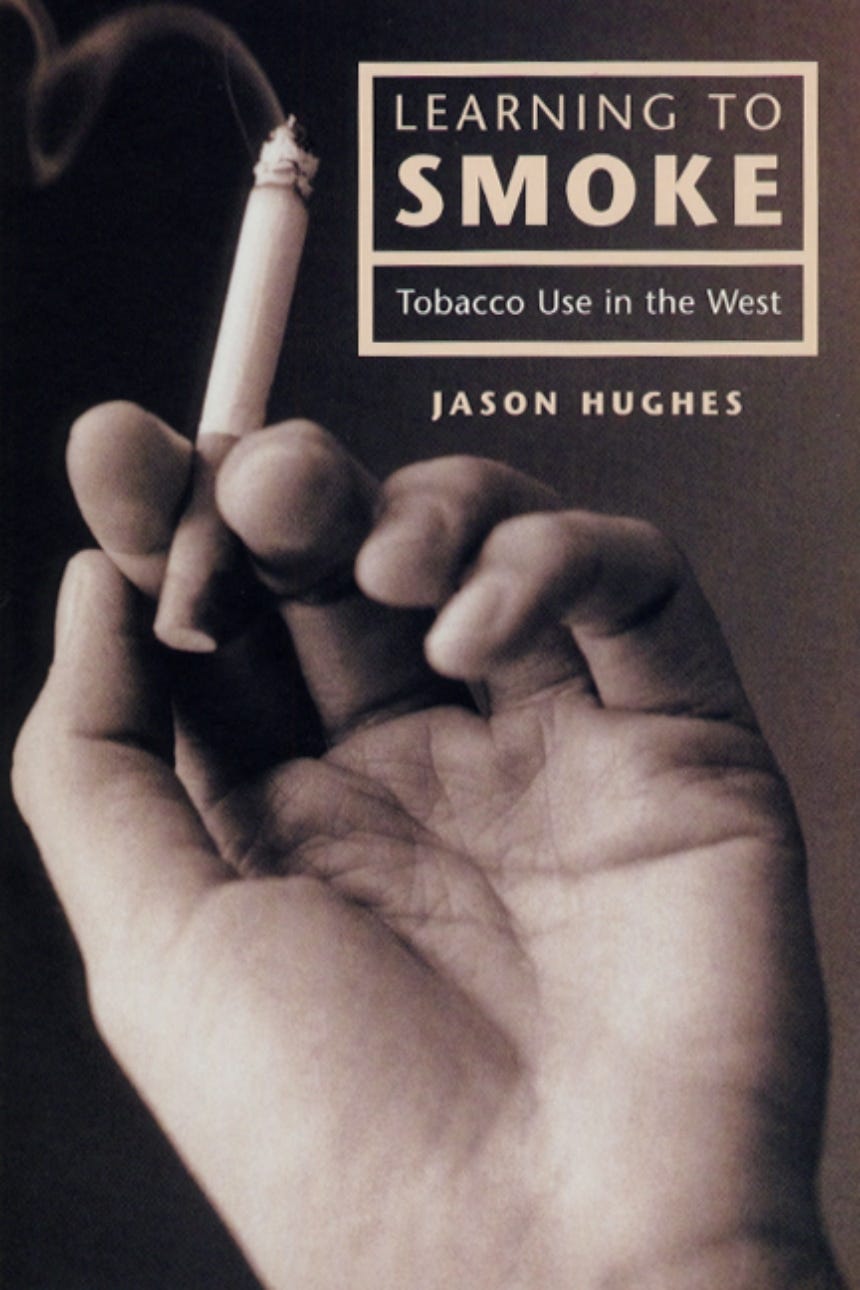
When a warning on all packaging and listing nicotine and tar content was not enough to dissuade Americans from keeping up and passing on the drug habit, there was a second wave of federal anti-tabagism, under the Clinton Administration. This time, the risk was “second-hand smoke” exposure—the threat tobacco smokers posed to everyone else in their vicinity. Catching the tobacco industry executives committing perjury in front of Congress about the addictiveness of their products allowed the industry itself to be included in the “risks of tobacco.”
Kevin Sabet has made a career out of warning people about the risks of certain drugs, marijuana especially. Literally, his life’s work has been to build up the socially-constructed dangers of the plant, and those who would not join him in his public abstinence campaign.
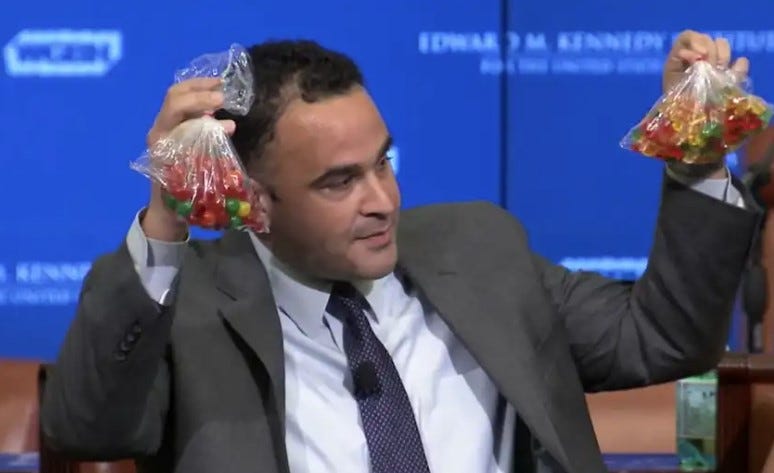
Exaggerate the probabilistic risk, exaggerate the negative outcomes. When ending prohibition proves too popular to prevent, shift from promising horrific outcomes (that never materialized) from the drug use itself to what seemed to work with tobacco—attack the industry by saying there is no difference. It is an old, prohibitionist canard—all drugs are bad, all drugs are addictive, all drug use is abuse.
Tobacco and nicotine are not cannabis and THC. Not that a staunch prohibitionist like Sabet would have ever found enjoyment in sharing a joint with friends, to know.
I am not going to delve into why a person might dedicate their adult life to saying crazy shit, trying to keep people “safe.” I am neither his therapist, nor his biographer. I can see, however, that it must have been a crushing blow, to have set late adolescent eyes on the dream of becoming the Drug Czar, only to see the foundation for the War on Marijuana Users crumble under the weight of medical marijuana reforms, as one tried to build a career.
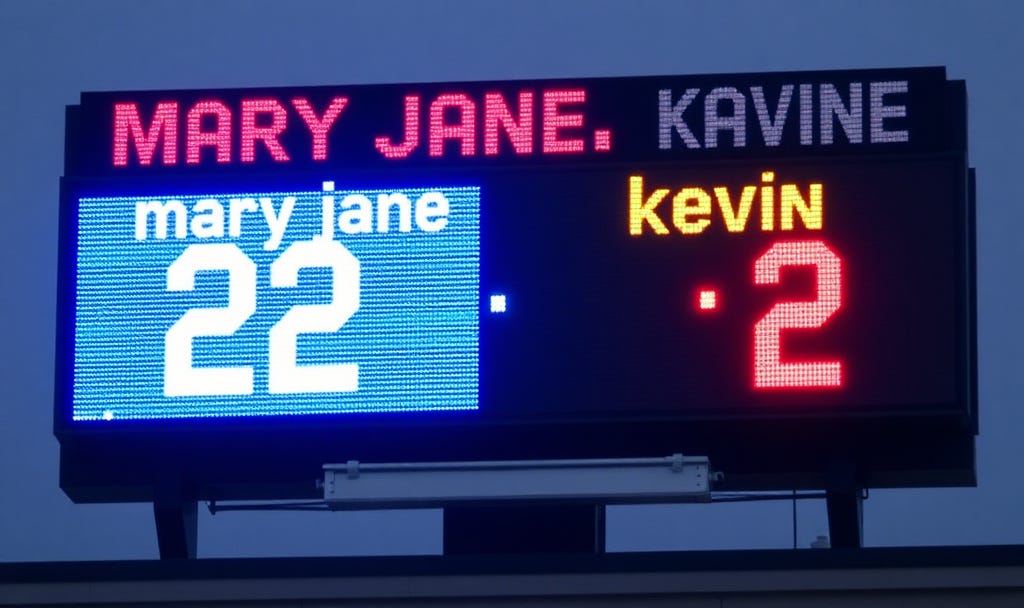
Fortunately (for him), he has been able to gin up enough anxiety in a few deep-pocket sponsors who don’t care about the actual Won-Loss record of “the quarterback of the anti-legalization movement.” At least that is what Kevin billed himself as, ten years ago—when only two states had legalized. While not every legalization initiative on ballots has passed since then, twenty-two more states have abolished marijuana prohibition. Damn that’s like going 2 - 22, over the decade. How does a guy with a record like that keep finding work?
It is not for me to say how someone with way too much money should throw it away, but I can think of other things to spend it on, besides keeping Sabet employed. Seriously, he’s got you burning cash on a lost cause. Unless you can somehow come up with over $20million a month in Massachusetts tax revenues, this state is your boat, Mr. Funder.
A boat is a hole in the water, into which one throws money.